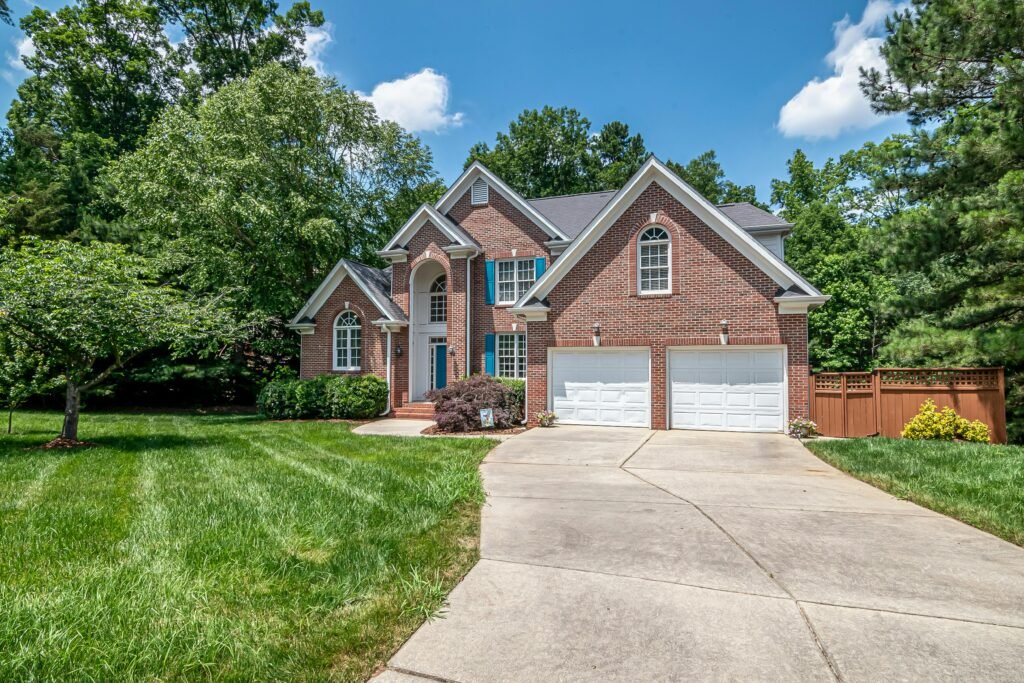


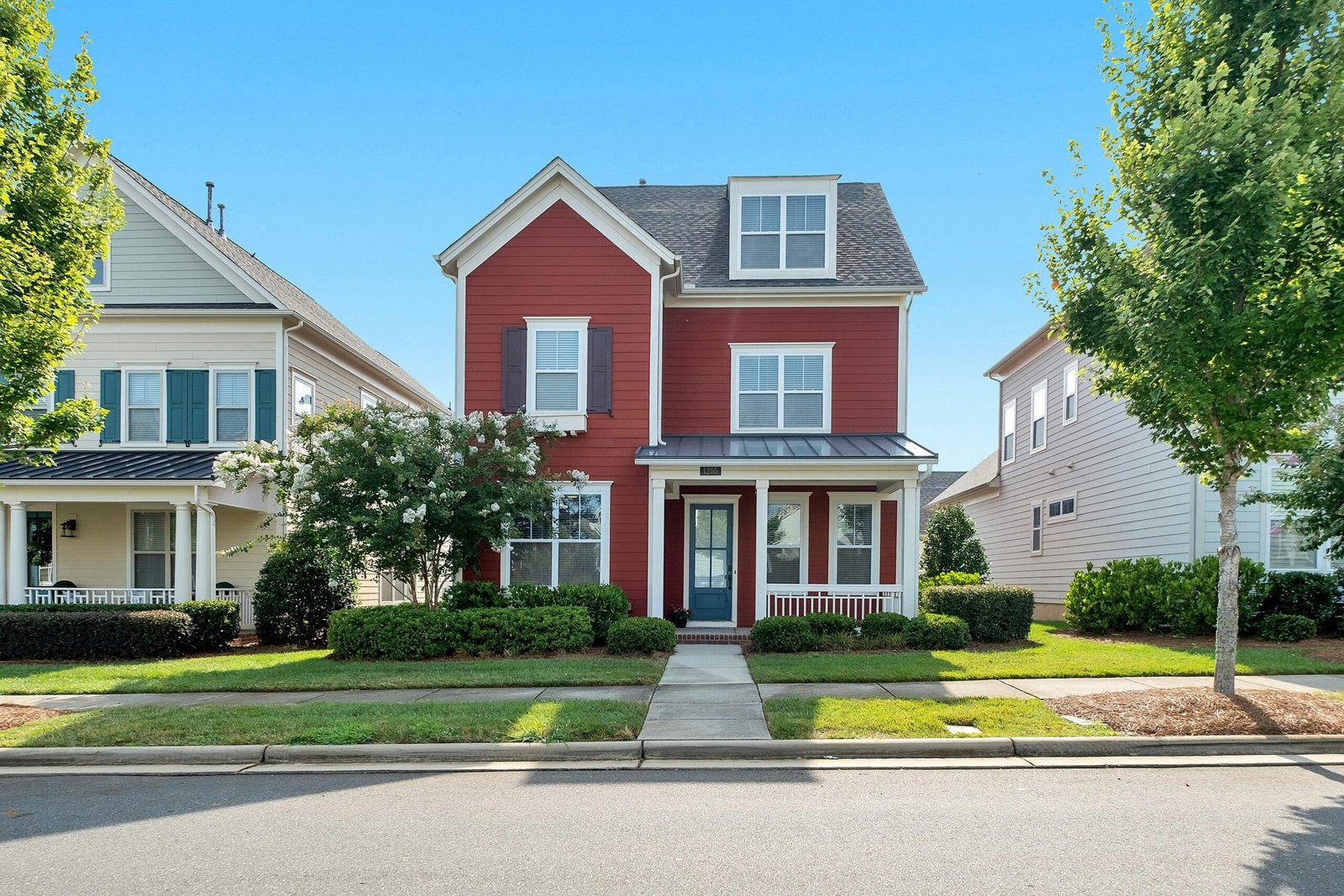
The greater Louisville metro spans Jefferson County and reaches into Oldham, Bullitt, Shelby, Spencer, and beyond. Each corridor has its own housing character, risk profile, and insurance considerations. If you’re deciding where to put down roots in the Louisville area, here’s a neighborhood-by-neighborhood breakdown of what to think about from an insurance perspective.
The East End Corridor: Prospect, Anchorage, Middletown
Louisville’s East End attracts families looking for larger homes, top-rated schools, and the Gene Snyder Freeway’s access to the rest of the metro. Home values run high here — which means replacement cost coverage is especially critical. Anchorage homes in particular are often older, custom-built estates where rebuild costs per square foot significantly exceed standard construction. Flood risk exists near Harrods Creek and its tributaries. See our full East End insurance guide for more detail.
The Shelbyville Road Corridor: St. Matthews, Lyndon, Hurstbourne
The Shelbyville Road corridor running from St. Matthews east through Lyndon and Hurstbourne Acres is one of Louisville’s most established suburban stretches. Housing stock is a mix of mid-century homes and newer construction. See our St. Matthews guide for local detail. The Beargrass Creek system runs through parts of this corridor — flood risk exists in lower-lying areas near the creek.
South End and Okolona
Louisville’s South End offers affordable entry-level homeownership with quick access to I-65. Housing stock trends older, which means roof age and electrical systems can be insurance considerations. Rates here are generally more affordable than the East End, but replacement cost coverage is still important — don’t set your dwelling coverage based on purchase price.
Bullitt County: Shepherdsville and Mt. Washington
Families priced out of Jefferson County or looking for more space have increasingly moved to Bullitt County. The tradeoff is a longer Louisville commute, but newer housing stock, lower price points, and a strong community feel. See our Bullitt County guide and Mt. Washington guide for full coverage considerations including Salt River flood risk.
Oldham County: La Grange, Crestwood, Pewee Valley
Oldham County is Kentucky’s most affluent county and one of its fastest-growing. Higher home values mean replacement cost accuracy matters more here than anywhere else in the metro. Harrods Creek flood risk exists in some areas. See our Oldham County insurance guide for details.
Shelby County: Shelbyville and Simpsonville
Shelby County has seen rapid growth as families seek more land and lower price points east of Louisville. Newer development mixed with older agricultural properties means insurance needs vary widely. Some properties may need farm coverage components; flood risk exists near the Guist Creek Lake area and local tributaries.
The Bottom Line: Location Matters for Insurance
Where you live in the Louisville metro affects your insurance rates, available carriers, and coverage needs more than most people realize. Working with a local independent agent means you get advice grounded in actual local knowledge — not a generic national algorithm. Call (502) 214-3200 or get a quote.