

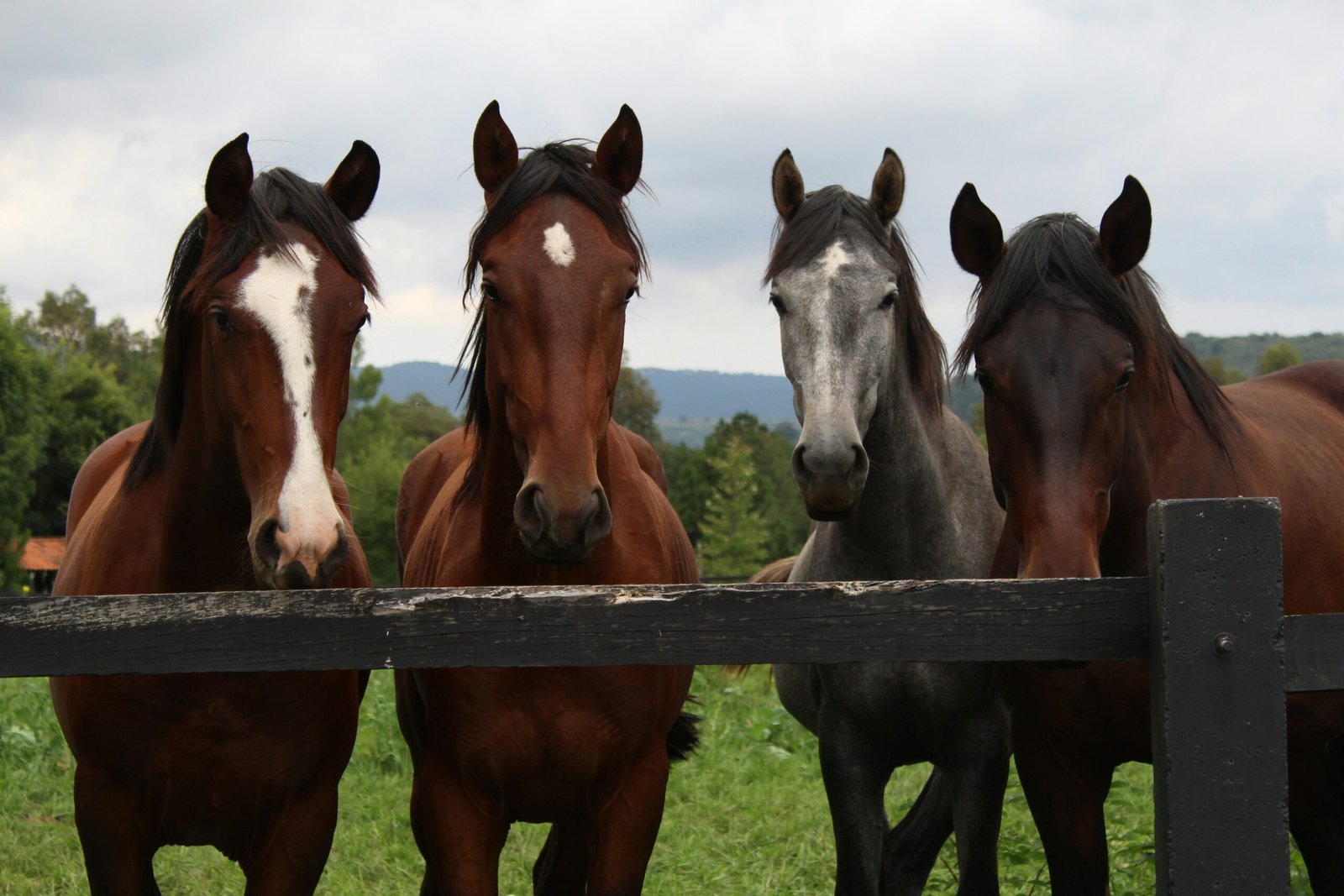
Kentucky is horse country — home to more than 320 horse farms in the Bluegrass Region alone. If you own a property with horses, outbuildings, or agricultural land, a standard homeowners policy almost certainly isn’t sufficient. Here’s what equestrian property owners in Kentucky need to understand.
Why Standard Homeowners Insurance Falls Short
Standard homeowners policies are designed for residential properties. The moment your property includes horses, a barn, fencing, farm equipment, or agricultural operations, most standard policies either exclude those elements or severely limit coverage. A horse that gets loose and causes a car accident could generate liability claims in the hundreds of thousands — and your standard homeowners liability may not cover it at all.
Farm and Ranch Policies: The Right Foundation
Most equestrian property owners need what’s called a farm and ranch policy — a hybrid that covers both the residential dwelling and the agricultural components of the property. This typically includes coverage for:
- The primary dwelling and attached structures
- Barns, stables, run-in sheds, and agricultural outbuildings
- Farm equipment and machinery
- Livestock and horses (subject to specific coverage options)
- Farm liability — including coverage for horse-related incidents
Horse-Specific Insurance
The horses themselves are typically covered under separate equine insurance. Options include mortality insurance (pays if a horse dies), major medical coverage, loss of use coverage (if a horse becomes unable to perform its intended use), and liability specifically tied to horse-related activities. The appropriate coverage depends heavily on the horse’s value and purpose — a trail horse requires different coverage than a competition horse or a breeding stallion.
Liability on Equestrian Properties
Kentucky has an Equine Activity Liability Act that provides some protection to horse owners, but it doesn’t eliminate liability entirely. If you allow guests to ride, operate a boarding facility, or host events on your property, your liability exposure increases significantly. Farm liability coverage, and potentially an umbrella policy, is essential.
Location Matters: Fayette, Scott, Woodford, and Beyond
Horse properties in Fayette County (Lexington area), Scott County, Woodford County, and Shelby County represent some of the highest concentrations of equestrian real estate in the state. If you’re buying or already own a horse property in these areas — or in Oldham County’s more rural sections — working with an agent who understands agricultural coverage is essential.
Get the Right Coverage for Your Property
Call (502) 214-3200 or request a quote to discuss your property’s specific needs. Standard coverage isn’t enough for equestrian properties — and we can help you find the right combination of farm, equine, and liability coverage.